Urgent help now? Call 999 · Beat: 0808 801 0677
Our story

Because Univa exists, families recover together.

A parent and child reading together, close and unhurried

That one sentence is why we come to work. Here's where it came from.

Proud partners of the NHS

Built on proven interventions
Co-created with families in recovery

The problem we couldn't unsee

Every eating disorder story we heard had the same shape. A family notices something. They ask for help. And then — they wait. Weeks for an appointment, months for treatment, and in between: silence, guesswork, and mealtimes that get harder while nobody's watching.

None of this is the fault of the people giving the care. The clinicians we met were some of the most dedicated we've known — skilled teams doing their utmost in services that are underfunded and overstretched, with referrals rising faster than anyone can answer them. Burnout in these teams isn't a weakness; it's arithmetic.

So we kept meeting the same three people: brilliant, exhausted parents desperate for care of their loved one; young people doing their bravest work with limited support; and great clinicians who could see exactly what families needed, without the hours to give it.

Why Rich & Jose built Univa
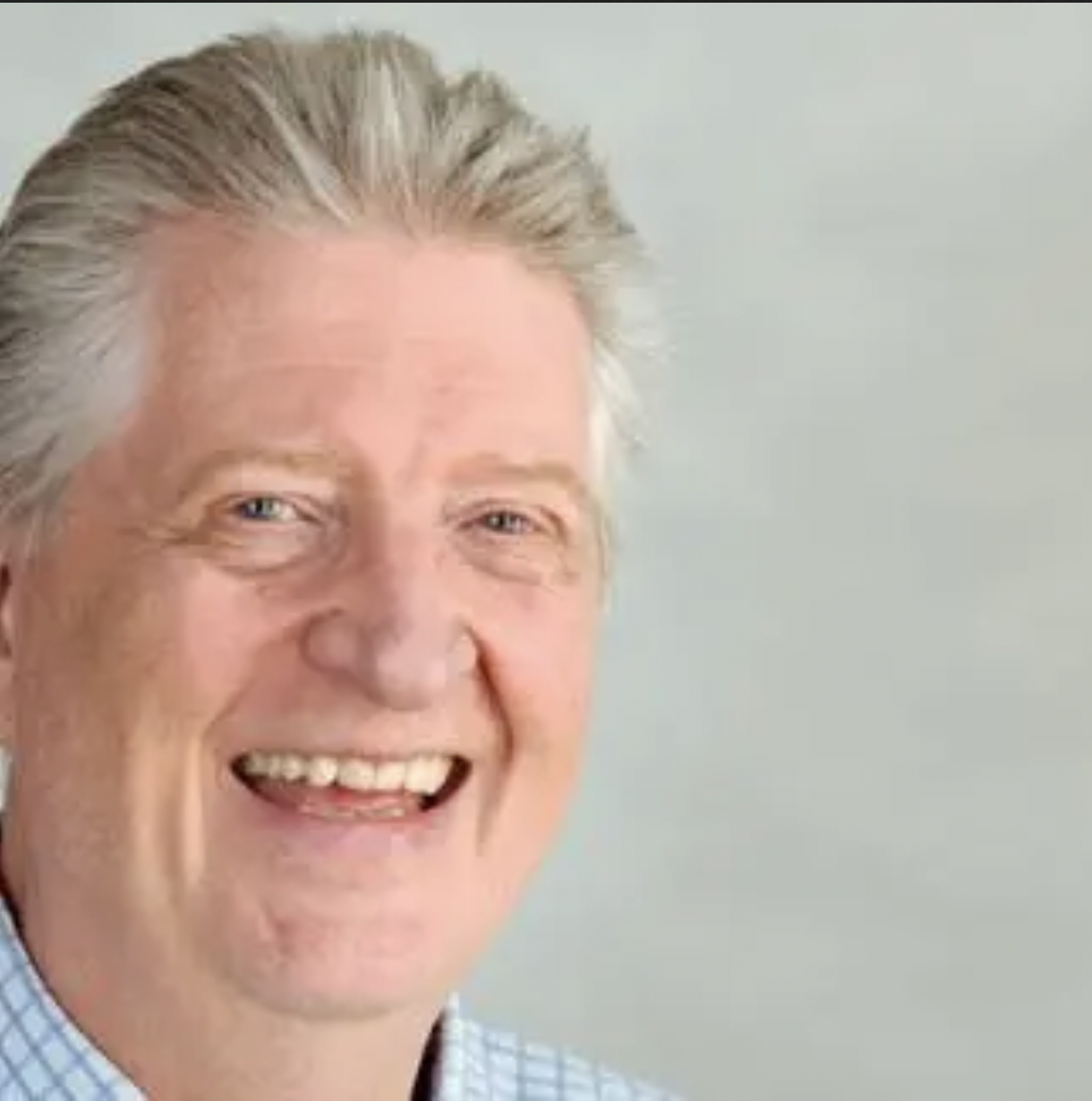
Rich Andrews, co-founder & CEO
Jose Santos, co-founder & CTO
Rich Andrews, co-founder & CEO · Jose Santos, co-founder & CTO

Between us, we'd spent twenty years building digital healthcare — Rich founding Healios, the UK's largest digital mental health clinic for children and young people, and Jose building health technology after serious illness arrived in his own family.

At Healios, the referrals kept telling the same story: more and more young people with eating difficulties and families struggling to access specialist eating disorder services. We'd both seen eating disorders up close, in families and friends we love. So we built the thing we couldn't find.

What we believe

The family is the unit of recovery

Recovery from an eating disorder is not a solo act. The whole household is wounded, and the whole household heals. So we built the first platform that supports two people at once: the person with the eating disorder, and the carer beside them — each with their own journey, moving toward the same recovery.

And when we say family, we mean the people who matter most to the person recovering — a parent, a partner, a grandparent, the closest of friends. No one should recover alone. Whoever stands beside them, we built Univa for them too.

Everything else follows from that:

Care that starts the night the fear starts

Because waiting deepens the illness.

Skills for carers in their own right

Because you can't pour from an empty cup.

Hope that points at evidence

Because families have been promised too much by too many.

How we build

Co-created, evidence-based, honestly told

Univa is built on the approaches with the strongest evidence — then shaped, line by line, with the people who live it.

FT-AN / FBT

Family therapy for anorexia — the family therapy NICE recommends first for young people with anorexia.

CBT-ED

Cognitive behavioural therapy for eating disorders.

The New Maudsley approach

The carer approach developed at King's College London and the Maudsley Hospital.

Hundreds of hours of patient and carer experience are woven into our programmes — their videos, their words, their hard-won practical wisdom. Our carer skills content is created with Jenny Langley, co-author of the New Maudsley skills-based training manual. Our clinical content is developed and reviewed by eating disorder specialists, and Univa is available in a growing number of NHS eating disorder services.

Advisory board

Guided by people who know this from every side

Clinicians, researchers and voices of lived experience — alongside advisors who know the NHS from the inside. Together they challenge our thinking and hold every programme to one standard: would we offer this to a family we love?

Our clinical and company advisors
Professor Dasha Nicholls
Professor of Child & Adolescent Psychiatry, Imperial College London
Learn more →
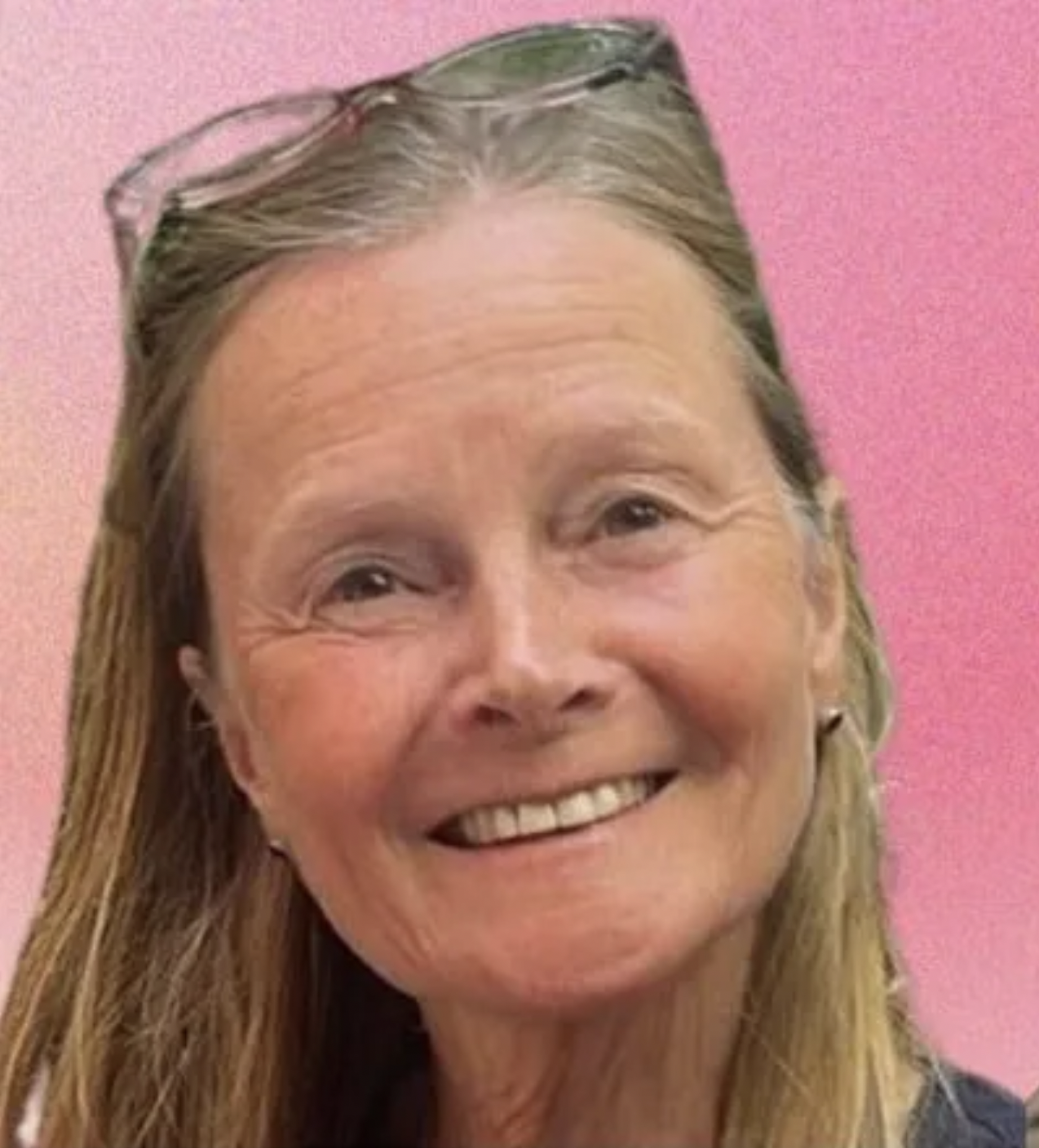
Jenny Langley
Jenny Langley
Carer expert; co-author, New Maudsley training manual
Learn more →
Professor Daniel Le Grange
Pioneer of Family-Based Therapy (FBT); UCSF
Learn more →
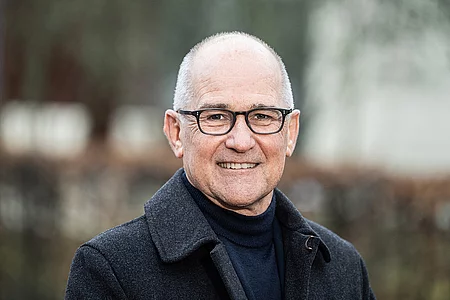
Dr Phil Moore
Dr Phil Moore
GP; former Clinical Director Mental Health, NHS England (London)
Learn more →
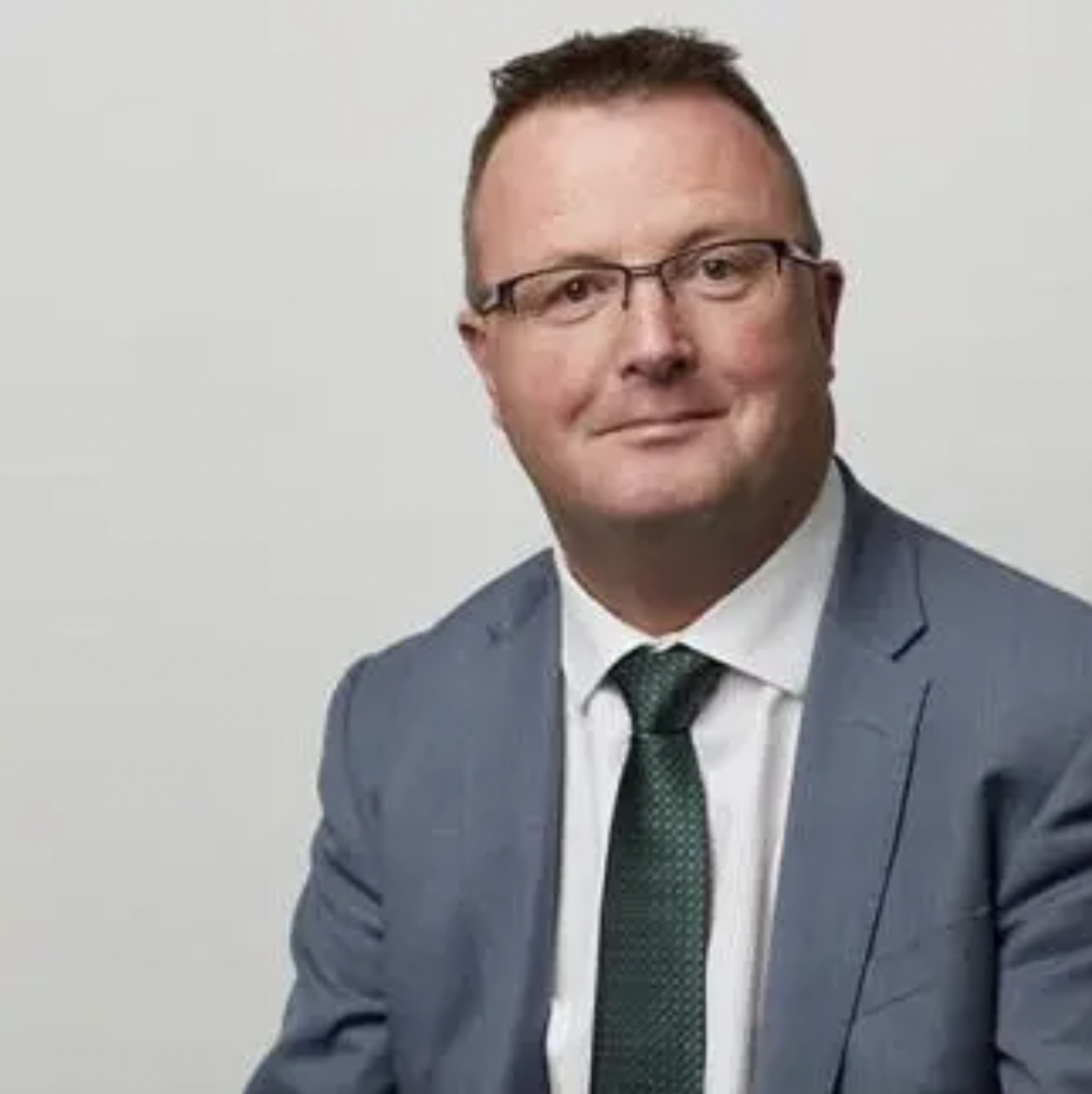
Sean Duggan OBE
Sean Duggan OBE
Chair, Sussex Partnership NHS Foundation Trust
Learn more →
A FEW OF OUR LIVED EXPERIENCE CONTRIBUTORS
Em Hale
Em Hale
Han Eva
Han Eva
George Mycock
George Mycock
Hannah Hickinbotham
Hannah Hickinbotham
Sophie Leigh
Sophie Leigh
Who we work with

Two routes, one standard

Both routes lead to the same programmes, the same standards and the same belief.

FAMILIES, DIRECTLY

Families come to us directly — often at midnight, often before any diagnosis.

NHS & PRIVATE SERVICES

Services commission us to extend their care between sessions, and to provide ARFID programmes their pathways were never built for.

We measure ourselves the way families do: calmer tables, small steps forward, health returning — and a whole family getting its life back.

Where we're going

A world where no family waits alone

Where no parent searches alone at midnight, and no young person waits months for their first real help. Where care fits the person in front of it — their diagnosis, how their mind works, their pace. And where no family is told the service can't support their diagnosis.

We're not there yet. We're taking it the way recovery goes: day by day, family by family —

small steps at full volume.

Wherever you're starting from, start with us

One place, whatever brought you here.

A parent and child reading together, close and unhurried
Our story

Because Univa exists, families recover together.

That one sentence is why we come to work. Here's where it came from.

Proud partners of the NHS

Built on proven interventions Co-created with families in recovery

The problem we couldn't unsee

Every eating disorder story we heard had the same shape. A family notices something. They ask for help. And then — they wait. Weeks for an appointment, months for treatment, and in between: silence, guesswork, and mealtimes that get harder while nobody's watching.

None of this is the fault of the people giving the care. The clinicians we met were some of the most dedicated we've known — skilled teams doing their utmost in services that are underfunded and overstretched, with referrals rising faster than anyone can answer them. Burnout in these teams isn't a weakness; it's arithmetic.

So we kept meeting the same three people: brilliant, exhausted parents desperate for care of their loved one; young people doing their bravest work with limited support; and great clinicians who could see exactly what families needed, without the hours to give it.
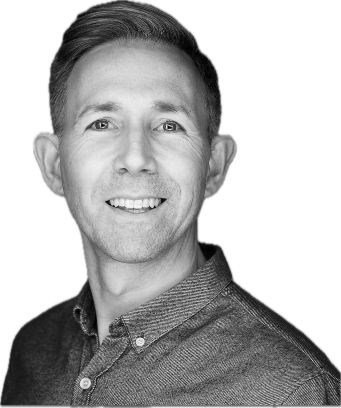
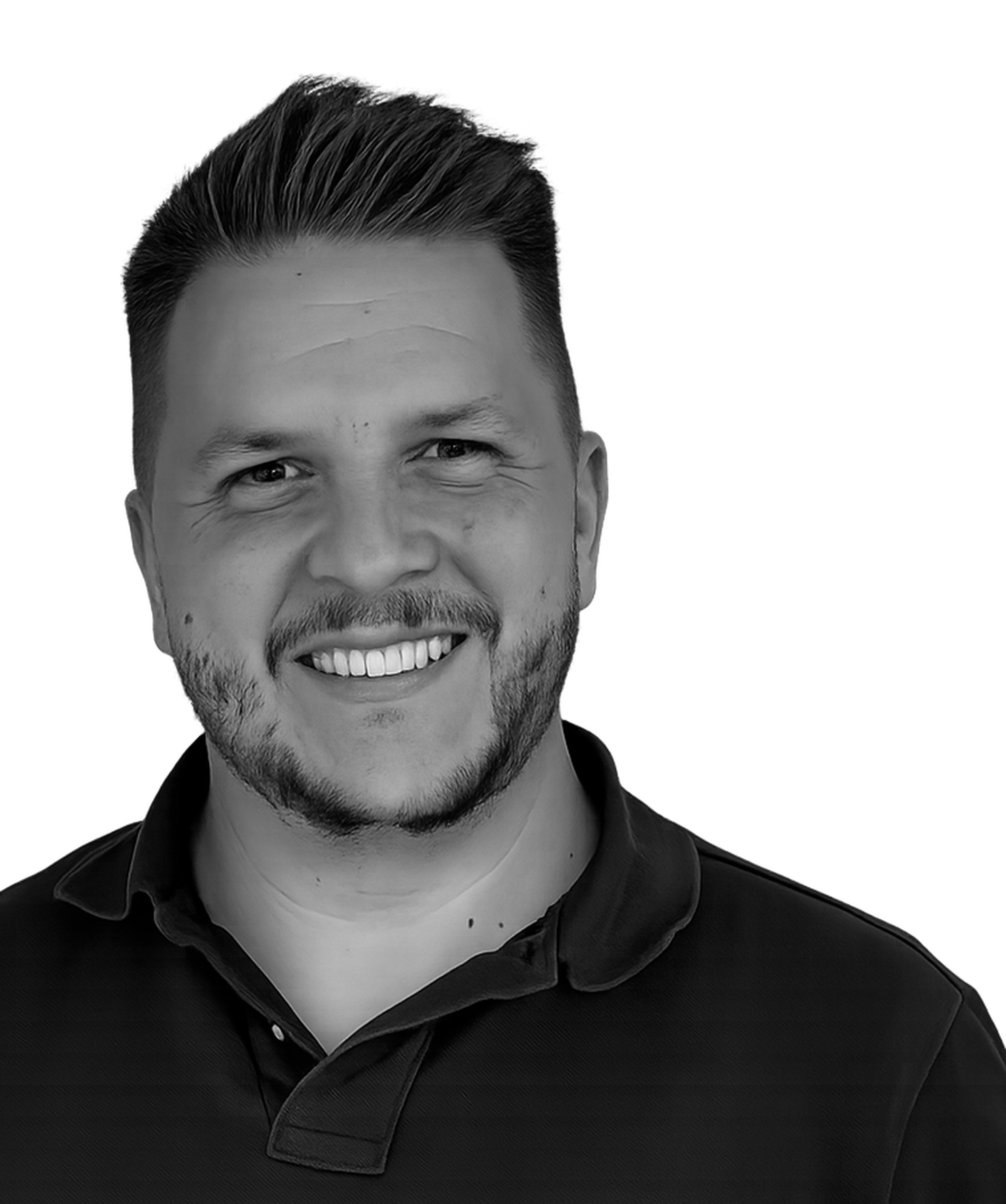
Rich Andrews, co-founder & CEO
Jose Santos, co-founder & CTO
Rich Andrews, co-founder & CEO · Jose Santos, co-founder & CTO
Why Rich & Jose built Univa

Between us, we'd spent twenty years building digital healthcare — Rich founding Healios, the UK's largest digital mental health clinic for children and young people, and Jose building health technology after serious illness arrived in his own family.

At Healios, the referrals kept telling the same story: more and more young people with eating difficulties and families struggling to access specialist eating disorder services. We'd both seen eating disorders up close, in families and friends we love. So we built the thing we couldn't find.

What we believe

The family is the unit of recovery

Recovery from an eating disorder is not a solo act. The whole household is wounded, and the whole household heals. So we built the first platform that supports two people at once: the person with the eating disorder, and the carer beside them — each with their own journey, moving toward the same recovery.

And when we say family, we mean the people who matter most to the person recovering — a parent, a partner, a grandparent, the closest of friends. No one should recover alone. Whoever stands beside them, we built Univa for them too.

Care that starts the night the fear starts

Because waiting deepens the illness.

Skills for carers in their own right

Because you can't pour from an empty cup.

Hope that points at evidence

Because families have been promised too much by too many.

How we build

Co-created, evidence-based, honestly told

Univa is built on the approaches with the strongest evidence — then shaped, line by line, with the people who live it.

FT-AN / FBT

Family therapy for anorexia — the family therapy NICE recommends first for young people with anorexia.

CBT-ED

Cognitive behavioural therapy for eating disorders.

The New Maudsley approach

The carer approach developed at King's College London and the Maudsley Hospital.

Hundreds of hours of patient and carer experience are woven into our programmes — their videos, their words, their hard-won practical wisdom. Our carer skills content is created with Jenny Langley, co-author of the New Maudsley skills-based training manual. Our clinical content is developed and reviewed by eating disorder specialists, and Univa is available in a growing number of NHS eating disorder services.

Advisory board

Guided by people who know this from every side

Univa is guided by an advisory board of eating disorder specialists — clinicians, researchers and voices of lived experience. Alongside them, advisors who know the NHS from the inside help us shape services that fit real pathways and reach families sooner. Together they challenge our thinking, review what we build, and hold every programme to one standard: would we offer this to a family we love?
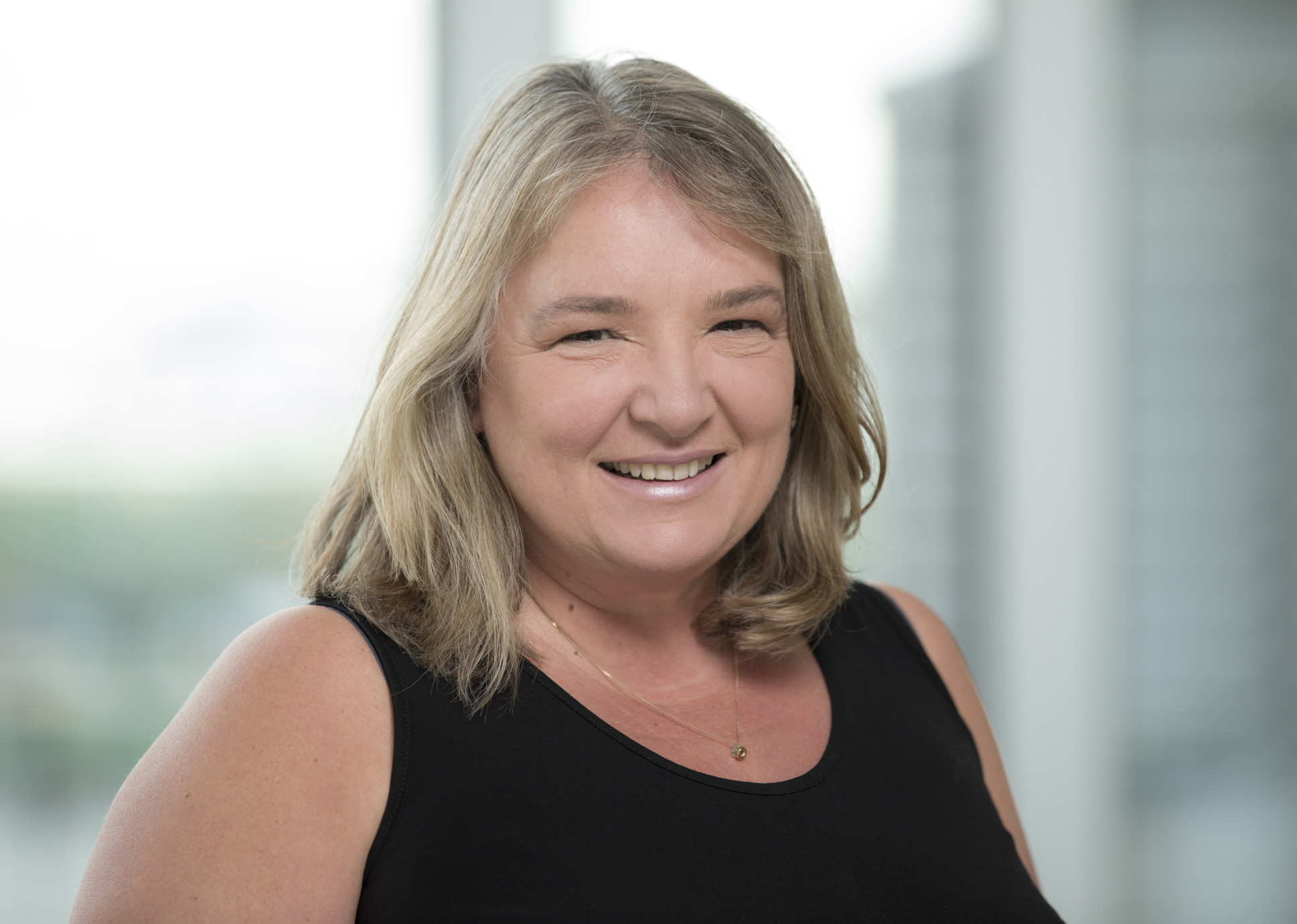
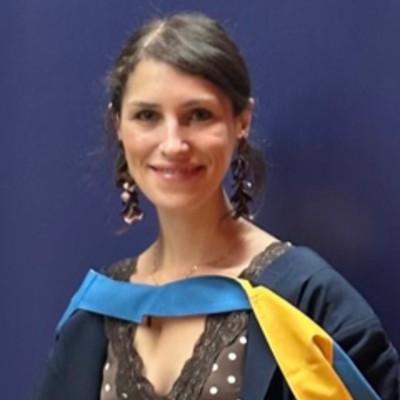
Our clinical and company advisors
Professor Dasha Nicholls
Professor of Child & Adolescent Psychiatry, Imperial College London
Learn more →
Jenny Langley
Jenny Langley
Carer expert; co-author, New Maudsley training manual
Learn more →
Professor Daniel Le Grange
Pioneer of Family-Based Therapy (FBT); UCSF
Learn more →
Dr Phil Moore
Dr Phil Moore
GP; former Clinical Director Mental Health, NHS England (London)
Learn more →
Sean Duggan OBE
Sean Duggan OBE
Chair, Sussex Partnership NHS Foundation Trust
Learn more →
A FEW OF OUR LIVED EXPERIENCE CONTRIBUTORS
Em Hale
Em Hale
Han Eva
Han Eva
George Mycock
George Mycock
Hannah Hickinbotham
Hannah Hickinbotham
Sophie Leigh
Sophie Leigh
Who we work with

Two routes, one standard

Both routes lead to the same programmes, the same standards and the same belief.

FAMILIES, DIRECTLY

Families come to us directly — often at midnight, often before any diagnosis. No referral, no permission, no waiting list.

NHS & PRIVATE SERVICES

Services commission us to extend their care between sessions, and to provide ARFID programmes their pathways were never built for.

We measure ourselves the way families do: calmer tables, small steps forward, health returning — and a whole family getting its life back: school, work, friendships, the things each of them had put on hold.

Where we're going

A world where no family waits alone

We want a world where every family has each other through recovery — where no parent searches alone at midnight, and no young person waits months for their first real help. Where care fits the person in front of it — their diagnosis, how their mind works, their pace — instead of one size fitting everyone. And where no family is told the service can't support their diagnosis.

We're not there yet. We're taking it the way recovery goes: day by day, family by family —

small steps at full volume.

Wherever you're starting from, start with us

One place, whatever brought you here.

Urgent help now? Call 999 or go to A&E.
Beat's helpline: 0808 801 0677.
If you or your loved one needs urgent help now, call 999 or go to A&E. For support and information, Beat's helpline is 0808 801 0677.